Our Stories-TOC-page2

Our Stories

Table of Contents – page 2 of 4

Individuals of non-Japanese heritage who helped Japanese Americans

during the mass forced removal and incarceration of World War II

and the nationwide denial of civil rights

A literary work based on the recollections of Flora Morita Hidaka and Claude Goro Morita, siblings of the author.

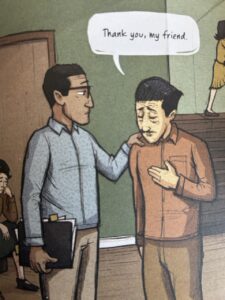
Friendship at the Fence

by Diana Morita Cole

“We were fortunate that Mr. Vincent did this for us, because we still had a home.” 

 “… Eugene (named after Mr. Eugene Vincent) …”

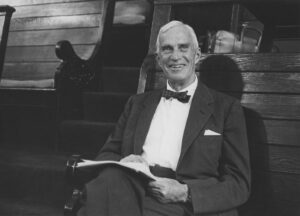
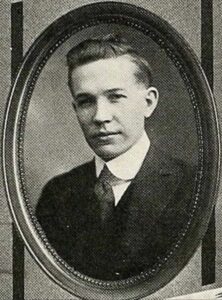
Mr. Eugene Vincent

by Lorraine (Makishima) Seiji

“After the ACLU … decided that they could not support any challenge to an order by the President, they asked the AFSC to recommend someone.”

“The parallels to today are uncanny.”

Harold Evans

by Kathryn (Kitty) Mizuno

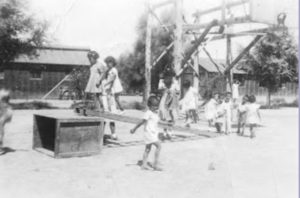
“… the dairyman friend … drove his truck from Salinas to Arizona to bring … a long sheet metal that was needed for the playground slide …”

Charlie Marci

by Y. Caryl Suzuki

“We sang our hearts out … She only had permission to visit until four o’clock, when she had to check out at the guard gate.”


“Later I heard from some of the gang that Mr. and Mrs. Fisk had been having a hard time back in Guadalupe because they’d been kind to us Japanese… They said someone threw rocks at their windows…”.

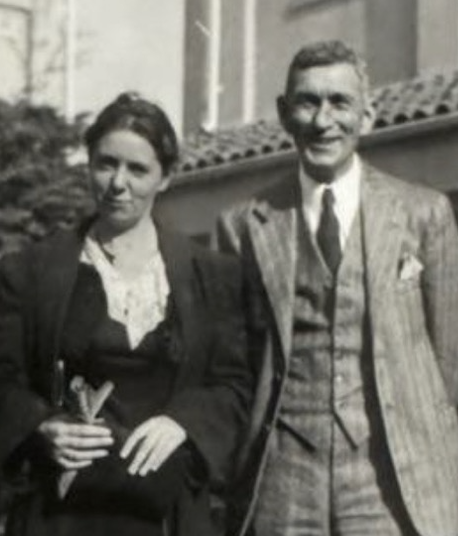
Mr. and Mrs. Fisk

by Elaine Koyama

“remarkable cases…where people of different races shared a community …. The diverse area created an opportunity for neighbors of different cultures to get to know one another as friends.”

Uncle Marco’s Story about Papoo

by Josh Tuininga

“More important than the storage of the family’s possessions was the love, friendship, and generosity extended to the family …”

Rev. Carl M. Sweazy

by Kathryn Kimura Mlsna

For Reference:

Nikkei – person(s) of Japanese ancestry.

Issei – known as “the first generation”, denoting the immigrant generation of Japanese women and men who arrived in the US or Canada from the late 1800s to 1924, when immigration of Japanese to the US was then closed until after World War II. 

Nisei – the second generation, usually native-born in North and South American countries.

Sansei – the third generation.

Yonsei – fourth generation.

Gosei – fifth generation.

Kibei – Japanese Americans who were born in the US, sent to Japan for education and returned prior to WWII.
Hapa – generally used to refer to those of mixed-race, with Asian or Pacific Islander heritage, although the roots of its use are discussed here: https://www.buddhistchurchesofamerica.org/post/un-appropriating-hapa-returning-the-word-to-its-roots.

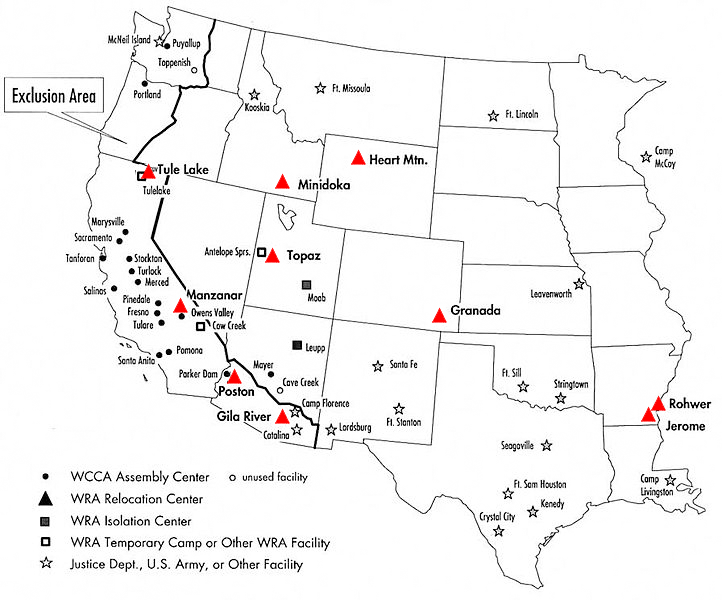
Map of Japanese American concentration camps and other incarceration sites. Courtesy National Parks Service.