Our Stories-TOC-page3

Our Stories

Table of Contents: page 3 of 4

Individuals of non-Japanese heritage who helped Japanese Americans

during the mass forced removal and incarceration of World War II

and the nationwide denial of civil rights

“He relocated his family to … near the Minidoka internment camp … “


“Despite facing hostility—including being called a ‘Jap lover’—Reverend Andrews remained steadfast in his commitment.”

Rev. Emery Andrews

by Janice Tanaka

“Dad must have found work there after internment …. I sat on their kitchen countertop watching Mrs. Parrish roll her cookie dough. She always baked cookies for us, bless her soul.”

Bill Parrish and family

by Greg Suko

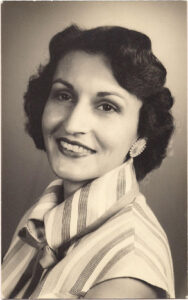
“Despite opposition and death threats, Rosalie resolutely fought for and achieved National Historic Landmark status for the Rohwer Relocation Center Cemetery.”

Rosalie Santine Gould

by Mary Ishimoto Morris

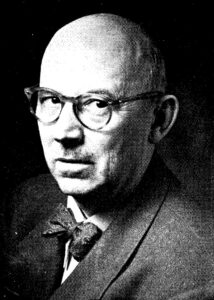
“it is notable that someone in his position would be sensitive to the plight of a mere undergraduate.”

Wendell Latimer

by Arlo Faria

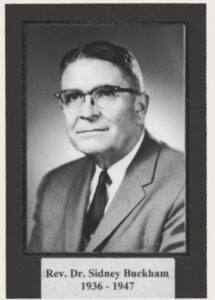
“And now, looking back on this time, the support CCSM offered remains one of our church’s most courageous and prominent moments.”

Rev. Sidney Buckham

ODG Project with Melodie Lew

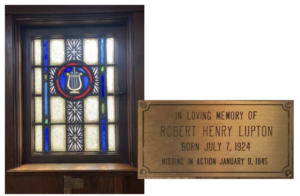
“Here their own son had been killed by the Japanese and they were willing to accept us to stay in their home …. But the neighbors … started calling them Jap lovers and started to ostracize them, so they moved away from San Mateo.”

Mr. and Mrs. Lupton

ODG Project with Melodie Lew

“…it makes me so happy to think that some farmers in Tigard, Oregon were so supportive of their Japanese neighbors back in the day. They are a real role model for people today.”

Neighbors in Tigard

by Jan Bernsten

For Reference:

Nikkei – person(s) of Japanese ancestry.

Issei – known as “the first generation”, denoting the immigrant generation of Japanese women and men who arrived in the US or Canada from the late 1800s to 1924, when immigration of Japanese to the US was then closed until after World War II. 

Nisei – the second generation, usually native-born in North and South American countries.

Sansei – the third generation.

Yonsei – fourth generation.

Gosei – fifth generation.

Kibei – Japanese Americans who were born in the US, sent to Japan for education and returned prior to WWII.

Hapa – generally used to refer to those of mixed-race, with Asian or Pacific Islander heritage, although the roots of its use are discussed here: https://www.buddhistchurchesofamerica.org/post/un-appropriating-hapa-returning-the-word-to-its-roots.

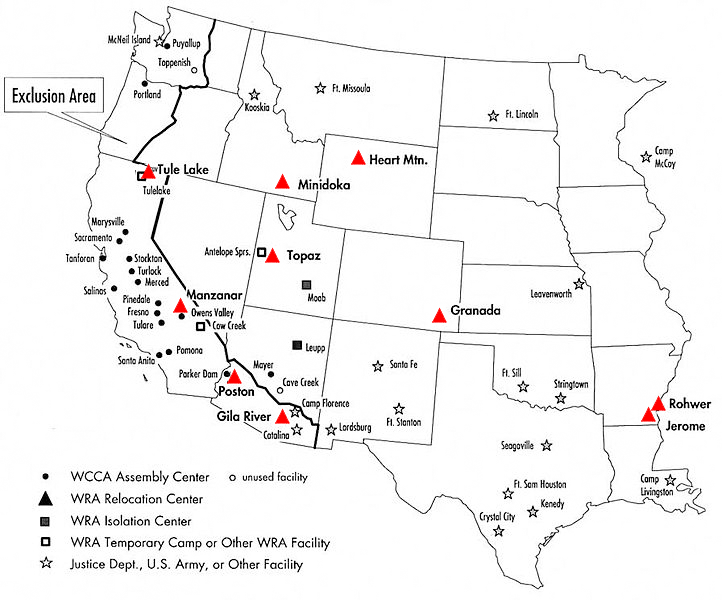
Map of Japanese American concentration camps and other incarceration sites. Courtesy National Parks Service.