Our Stories
Table of Contents: page 1 of 4
Individuals of non-Japanese ancestry who helped Japanese Americans
during the mass forced removal and incarceration of World War II
and the nationwide denial of civil rights
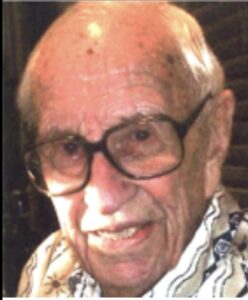
“Whenever Dad told this story, he would cry, thinking about the loyalty of his friend, Paul.”
Paul Strate
by Lois Shimasaki-Oda
“We must also remember those who had the courage of their convictions to stand up against the government and who tried to help Japanese Americans at the expense of their careers and reputations.”
Bob Fletcher
by Gerald Yamada
“No one made a move … except for one person.”
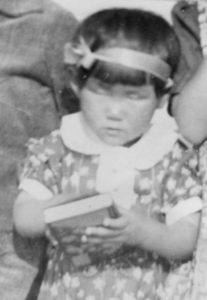
”I often wonder who that girl was and often wished I could meet her again.”
Musubi – March 1942
by Yukari Marumoto Mikesell
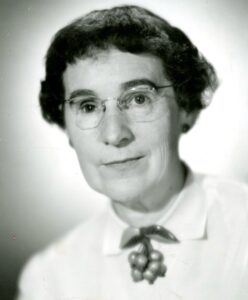
“The Tanforan Library was both the first and certainly the best of the 14 libraries in the temporary detention centers.” (Wertheimer, 2004)
Evelyn Steel Little
by Margret Mukai
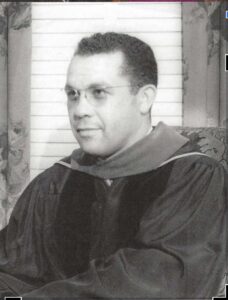
“a columnist for … an historic Black-owned newspaper … he publicly denounced the disparaging treatment of Japanese Americans in the United States.”
Rev. Hamilton T. Boswell
by Deborah LeFalle
“Tom’s funeral … was the only time I had ever seen my father’s tears coming, when we went to that man’s funeral. Because he had really helped our family survive during the war …“
Tom, the Kodak salesman
by Suki Terada Ports
“They had been egged and spit on by the local racists for being friends to our family.”
“extraordinary courage, kindness, humanity, love, shared values, and enduring, “salt of the earth”, neighborly and generational friendship.”
The Raven family
by Kerry Yo Nakagawa
For Reference:
Nikkei – person(s) of Japanese ancestry.
Issei – known as “the first generation”, denoting the immigrant generation of Japanese women and men who arrived in the US or Canada from the late 1800s to 1924, when immigration of Japanese to the US was then closed until after World War II.
Nisei – the second generation, usually native-born in North and South American countries.
Sansei – the third generation.
Yonsei – fourth generation.
Gosei – fifth generation.
Kibei – Japanese Americans who were born in the US, sent to Japan for education and returned prior to WWII.
Hapa – generally used to refer to those of mixed-race, with Asian or Pacific Islander heritage, although the roots of its use are discussed here: https://www.buddhistchurchesofamerica.org/post/un-appropriating-hapa-returning-the-word-to-its-roots.