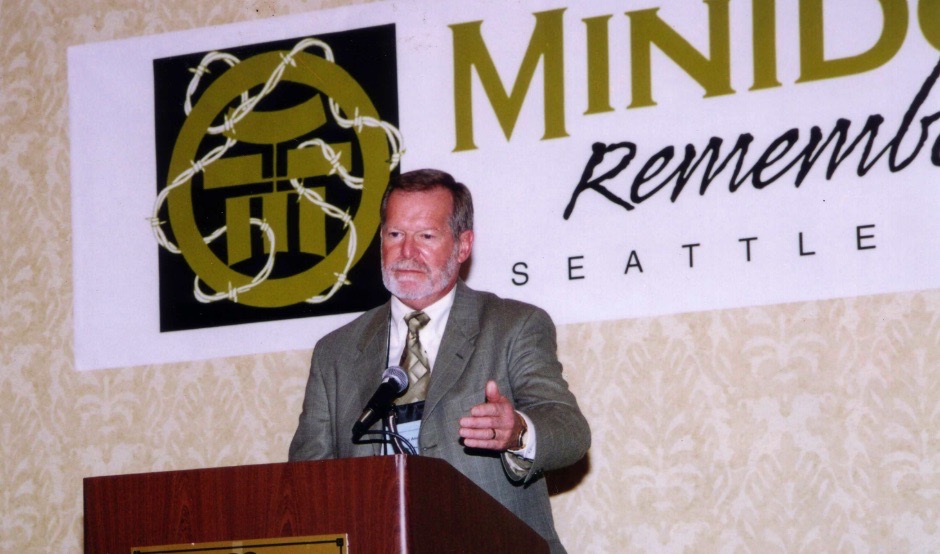
“He relocated his family to Twin Falls, Idaho, near the Minidoka internment camp …”
“Despite facing hostility—including being called a ‘Jap lover’— Reverend Andrews remained steadfast in his commitment.”
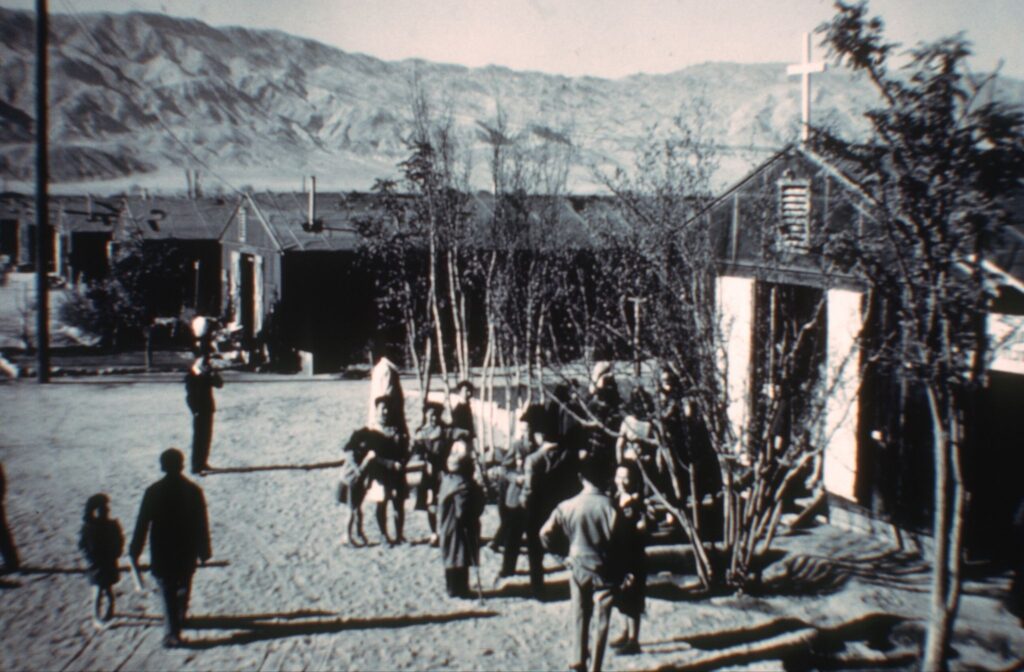
Japanese Baptist Church in Seattle relocated to Minidoka
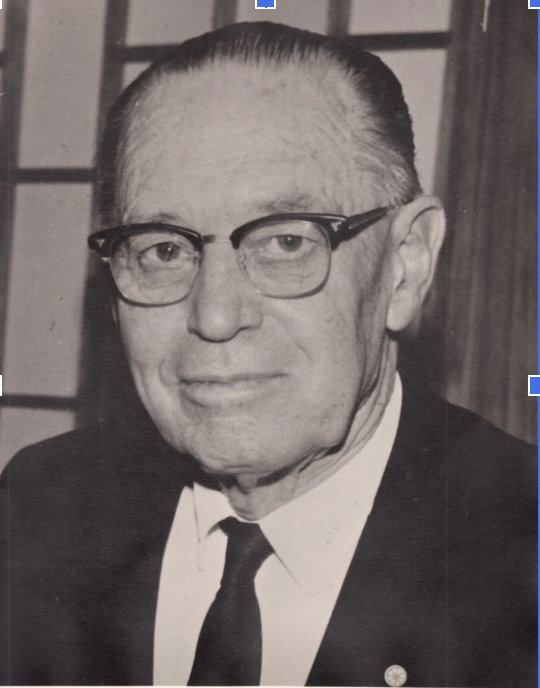
Rev. Emery Andrews
(1894-1976)
Rev. Emery Andrews
A Legacy of Compassion and Sacrifice
By Janice Tanaka, Producer, Director Act of Faith: The Reverend Emery Andrews Story https://vimeo.com/143207317
In 2014, I had the privilege of producing and directing a documentary about Reverend Emery Andrews, a remarkable figure in Seattle’s Japanese American community. As someone from Los Angeles, I was unfamiliar with the story of “Reverend Andy,” as the Nisei affectionately called him—a man who devoted his life to serving Japanese Americans from 1929 through 1955, especially during the turbulent years surrounding World War II.
My journey began when a Japanese company with offices in LA expressed interest in documenting Reverend Andrews’ life. With their support, I connected with the Japanese Baptist Church (JBC) in Seattle. The church’s pastor at the time, Jennifer Ikoma-Motzko, played a crucial role in shaping the narrative. Another key contributor who best expressed his “debt of gratitude” was Yosh Nakagawa, a Nisei who had experienced life in Minidoka and later converted to Christianity. I also had the honor of interviewing Reverend Brooks Andrews, Reverend Emery Andrews’ son.
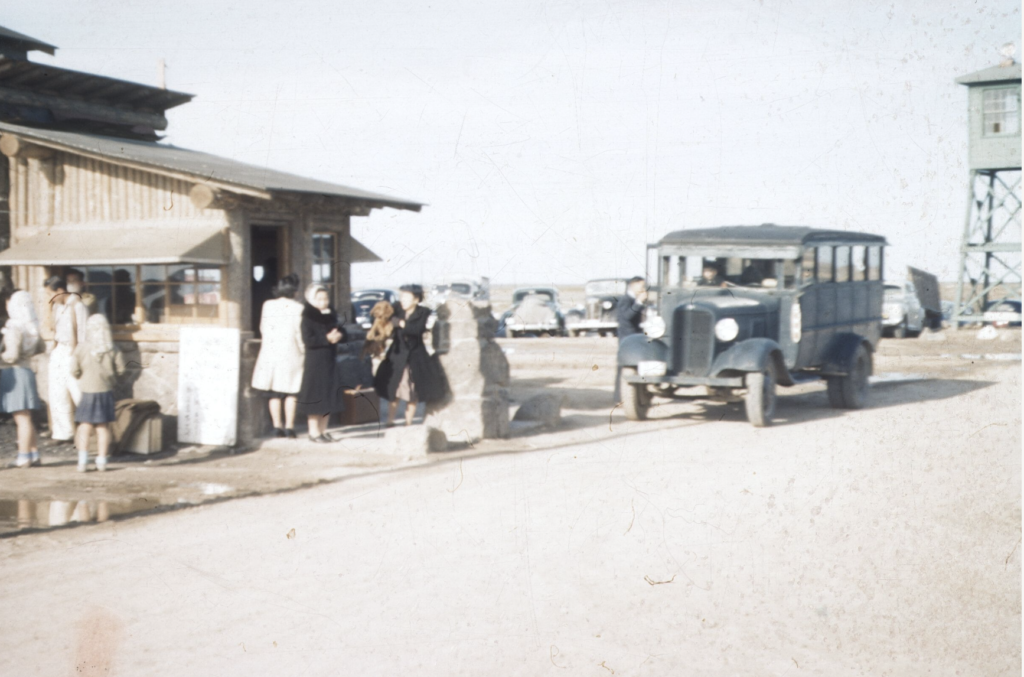
Reverend Andrews’ story is one of extraordinary sacrifice. He relocated his family to Twin Falls, Idaho, near the Minidoka internment camp, and tirelessly traveled between Twin Falls and JBC, helping Japanese Americans who had stored their belongings that they could not take with them. The order from the government was you could only take what you can carry. Despite facing hostility—including being called a “Jap lover”—Reverend Andrews remained steadfast in his commitment. While researching, I read through heartfelt letters from Nisei youth, who requested simple items like ice skates while others sought help locating fathers that were taken by the FBI. Many asked for letters of recommendation to secure jobs or educational opportunities, hoping for a way out of the camps.
The Andrews family made over 50 round-trips between Minidoka camp and Seattle in the "Blue Box," delivering requests from the incarcerees.
While Reverend Andrews’ service was inspiring, I found his son Brooks’ story equally compelling. Initially, I expected Brooks’ interview to focus on his father’s legacy, but it evolved into a candid discussion about intergenerational trauma. Brooks revealed that, while his father was dedicated to helping others, he often felt deprived of paternal affection and support—a wound that led to an emotional breakdown during his own tenure as a pastor. His story is told in his 2016 three-part memoir, each volume commercially available under author E. Brooks Andrews: Balancing on Barbed Wire, Valley of Weeping, and The Longest Journey. As a Sansei, I had explored the theme of inherited trauma in my earlier film, “When You’re Smiling,” and I deeply appreciated Brooks’ courage in sharing his experience.
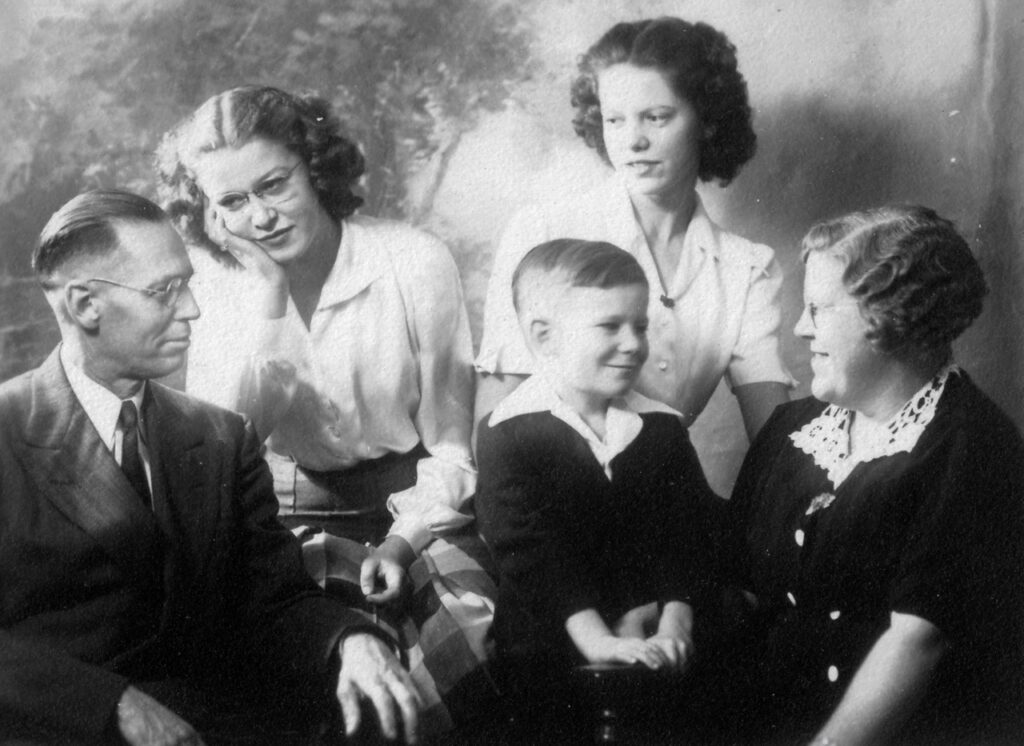
The Andrews family, Brooks at center
Rev. Brooks Andrews
The documentary, “Act of Faith: The Reverend Emery Andrews Story,” may be viewed at: https://vimeo.com/143207317 .
Photos from “Act of Faith: The Reverend Emery Andrews Story”.
Copyright 2026, Janice Tanaka.
Janice D. Tanaka has a BA and MFA from USC’s School of Cinematic Arts. After working in marketing and communications as an event and video producer/director for Transamerica and City National Bank, she taught video production for ten years, receiving tenure and promotion at the University of Florida. Janice’s seminal film “When You’re Smiling,” examined the suicide deaths of Sansei in the 70s. The film won several national awards in the late 1990s. After teaching for 10 years, Janice returned to Los Angeles and served as a Program Manager for Diversity Development at FOX Studios. As executive producer for Comcast, she produced over 100 episodes of Asian American programming. In 2015, she was hired by a Japanese corporation to produce a series of documentaries on Japanese Americans. Janice is currently a freelance video and event producer/director/writer for Go For Broke National Education Center, Keiro and the Asian Pacific Community Fund. She currently serves on the boards of the Ventura County JACL and the USC Delta Phi Kappa Alumni Association.
ODG Post-story note: Janice Tanaka’s 1999 film, “When You’re Smiling”, offers complex perspectives from the postwar Sansei generation who came of age in the 1960’s and 1970’s, in contrast to the “model minority” popularized to stereotype in “Success Story, Japanese American Style”, Jan 9,1966, The New York Times Magazine, by William Peterson. Using first-hand interviews of Sansei looking back on their upbringing and early adulthood with gained understanding, “When You’re Smiling” is a unique work which documented intergenerational consequences of the WWII incarceration and the personal cost of expectations to chase the monocultural American identity after the incarceration. The film may be viewed at: https://www.youtube.com/watch?v=0mjQhy9DC_g