Our Stories-TOC-page4

Our Stories

Table of Contents: page 4 of 4

Individuals of non-Japanese heritage who helped Japanese Americans

during the mass forced removal and incarceration of World War II

and the nationwide denial of civil rights

“The ultimate goal of cultural unity can best be achieved by accepting diversity for the present.”

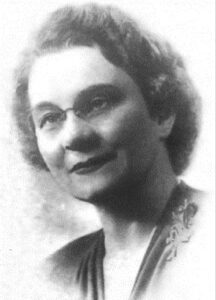
Alice Sickels

by  Krista Finstad Hanson

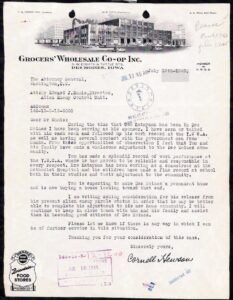
“A letter written by Cornell Hewson to the Alien Enemy Parole Board on July 13, 1945 contained in Noboru’s FBI file shows the support he gave Noboru and the family.”

Cornell Hewson

by Ellen Mayhew

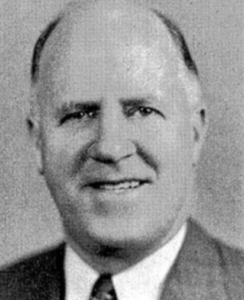
“I thought he was doing something only for my family, but I found out that he was taking care of hundreds of families.”

J. Elmer Morrish

by Harry Higaki 

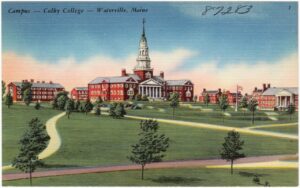
“… (they) told them about how and why the Japanese Americans were being unjustly incarcerated and asked them if they would be willing to accept and welcome Japanese American students.”

Kindness at Colby College

by Gerri Igarashi Yoshida

“A Special Friendship.”    

“I really don’t know what happened, but I know that Marian must have helped my mother in many ways in the early days of relocation …”

Marian King

by Julie Azuma

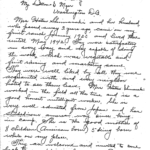
“They were well-liked by all they were acquainted with and every neighbor hated to see them leave… They are welcome and invited to come back to my place whenever our Government will permit.”

Letters of Recommendation

ODG Project with letters shared by Lois Shimasaki-Oda

This is the last story, where gratitude led us. 

Dimensions of Forgiveness

by Kerry Yo Nakagawa

For Reference:

Nikkei – person(s) of Japanese ancestry.

Issei – known as “the first generation”, denoting the immigrant generation of Japanese women and men who arrived in the US or Canada from the late 1800s to 1924, when immigration of Japanese to the US was then closed until after World War II. 

Nisei – the second generation, usually native-born in North and South American countries.

Sansei – the third generation.

Yonsei – fourth generation.

Gosei – fifth generation.

Kibei – Japanese Americans who were born in the US, sent to Japan for education and returned prior to WWII.
Hapa – generally used to refer to those of mixed-race, with Asian or Pacific Islander heritage, although the roots of its use are discussed here: https://www.buddhistchurchesofamerica.org/post/un-appropriating-hapa-returning-the-word-to-its-roots.

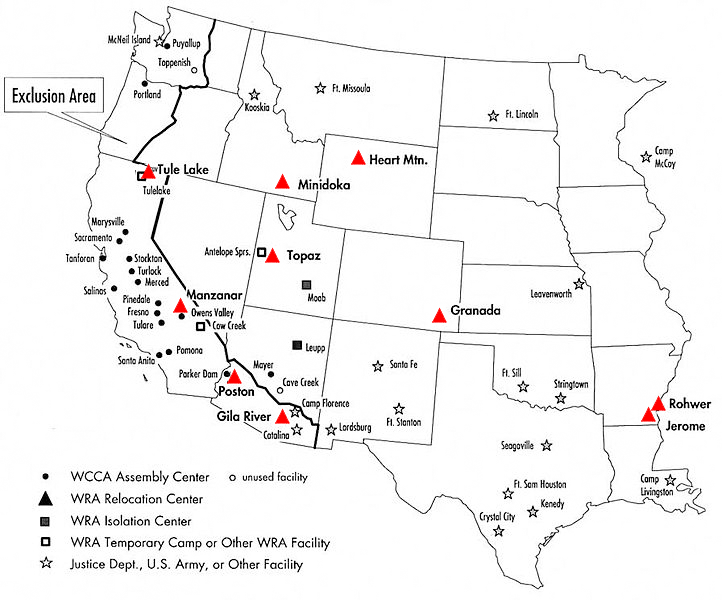
Map of Japanese American concentration camps and other incarceration sites. Courtesy National Parks Service.