“Dad must have found work there after internment …. I sat on their kitchen countertop watching Mrs. Parrish roll her cookie dough. She always baked cookies for us, bless her soul.”
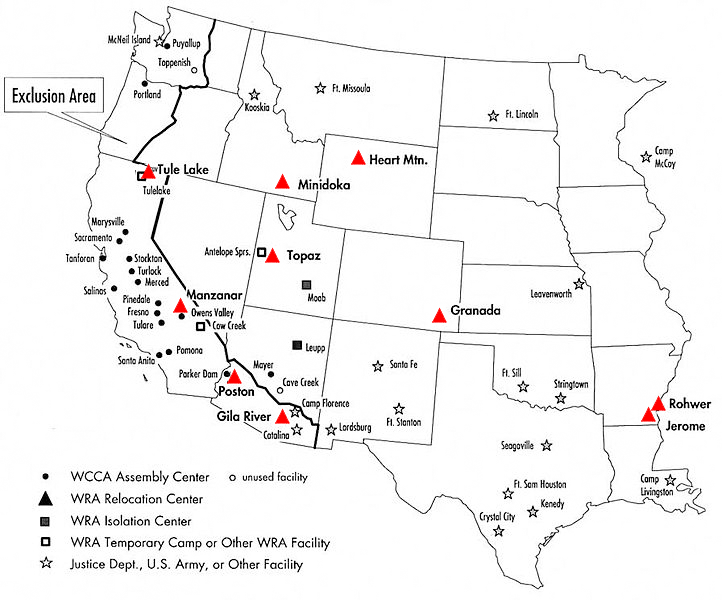
“Despite opposition and death threats, Rosalie resolutely fought for and achieved National Historic Landmark status for the Rohwer Relocation Center Cemetery.”
“Here their own son had been killed by the Japanese and they were willing to accept us to stay in their home …. But the neighbors … started calling them Jap lovers and started to ostracize them, so they moved away from San Mateo.”
“…it makes me so happy to think that some farmers in Tigard, Oregon were so supportive of their Japanese neighbors back in the day. They are a real role model for people today.”
Issei – known as “the first generation”, denoting the immigrant generation of Japanese women and men who arrived in the US or Canada from the late 1800s to 1924, when immigration of Japanese to the US was then closed until after World War II.
Nisei – the second generation, usually native-born in North and South American countries.
Sansei – the third generation.
Yonsei – fourth generation.
Gosei – fifth generation.
Kibei – Japanese Americans who were born in the US, sent to Japan for education and returned prior to WWII.