“He replied,
‘As a kid, we lived right across the street from this camp. We used to throw rocks
at the trucks or anyone near the barbed wire fence out of anger and jealousy,
because we didn’t have running water or electricity, an outhouse in our backyard,
and food was scarce. But son, I’m an old Christian and I know God forgives.’
As a Buddhist, it was incredibly moving to consider that after all these years,
this elder was seeking “redemption” and willing to join our grandmother’s prayer circle.”
Dimensions of Forgiveness
By Kerry Yo Nakagawa
Before the war, my maternal grandmother, Setsu, a proud businesswoman, ran a restaurant in Fresno named ‘Matsu-No-Sushi.’ Setsu was known for smoking with a long-stemmed cigarette holder at her restaurant’s front counter. This was considered unconventional for women of any nationality in the 1920s and 30s, but for Setsu, a successful business owner, it symbolized her independence, progressiveness, and charm.
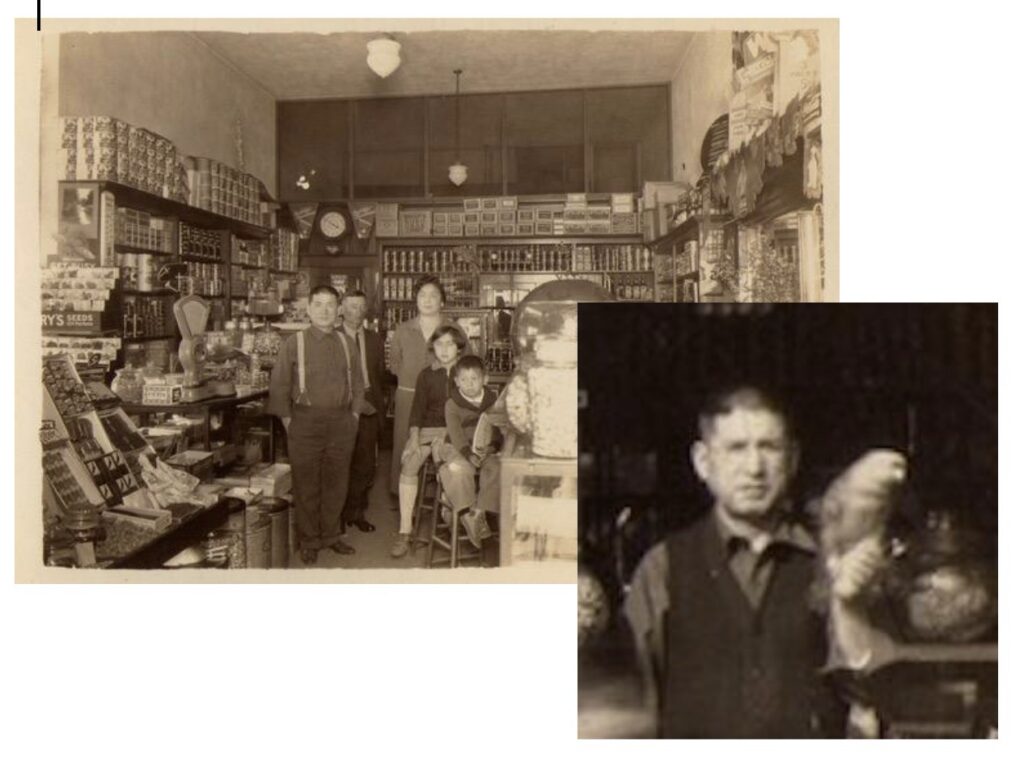
Meanwhile, Setsu’s husband, Kunihei, operated a General Store across the street, known for its resident parrot with a Japanese accent who would greet customers with, “Ha-Roll,” and even cuss.
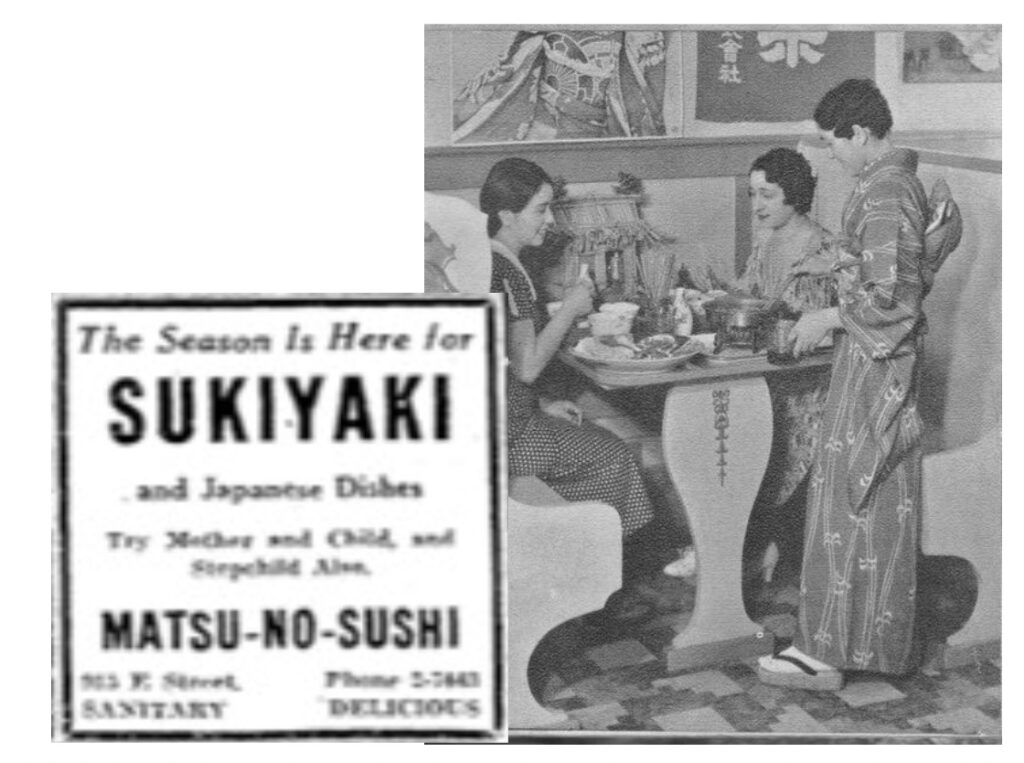
Images courtesy of Kerry Yo Nakagawa.
Following Executive Order 9066, over 5,000 Japanese Americans from the Central Valley were interned at the Fresno Fairgrounds in animal stalls. Months later, in the oppressive Fresno heat, internees were transported by train with blacked-out windows to the Jerome, Arkansas “incarceration” camp. My mother, Rosie, was terrified. She asked her mother, Setsu, “What’s going to happen to us, Okasan?”
Setsu responded, “This is the greatest country in the world, and all immigrants have to pay a price. We will go to these camps and prove how loyal we are, and eventually come back home.”
Unfortunately, Setsu contracted cancer within months at the Jerome camp and was sent to a Little Rock, Arkansas hospital for treatment. My mother Rosie visited her there. After getting her hair done in the city, Rosie boarded a bus, walked through a turnstile labeled ‘Colored Only,’ and sat with Black passengers. The bus driver, a large Caucasian man, stopped the bus, walked to the back, and offered Rosie his hand, saying, “Sorry, Ma’am, you have to sit up front with the White people.” It was ironic that my mother, considered an “Enemy Alien,” was categorized as “White Person” on this bus. Setsu was later diagnosed with terminal cancer and requested to return to her family at the Jerome camp, where she passed away. Paper flowers were laid on her coffin by family and friends. Her body was sent to Hattiesburg, Mississippi for cremation.
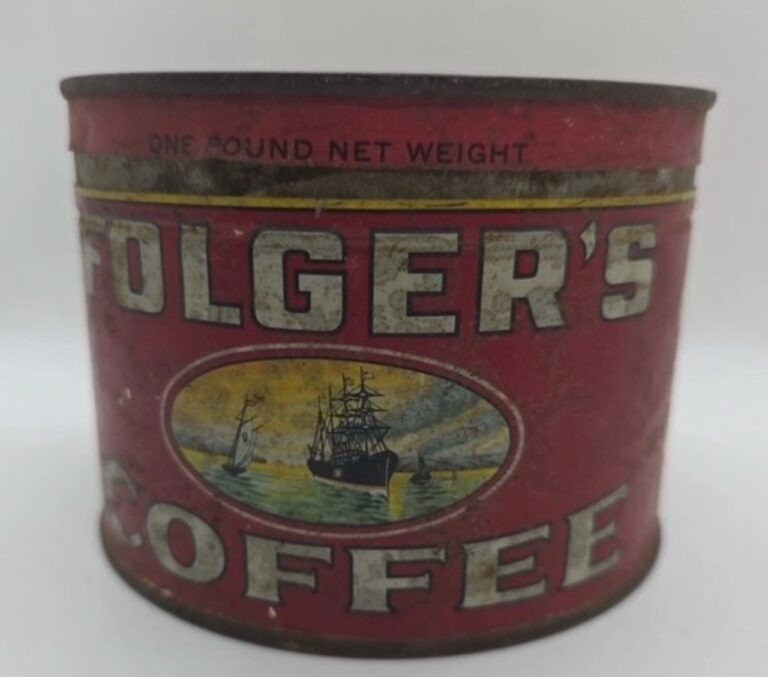
Months later, my mother received Setsu’s ashes in a coffee can at her barrack (Block 41-40-A). Inside, she found a piece of paper on top of the ashes. She unfolded it, expecting to see her mother’s name, but it simply read ‘Jap Woman.’ This crushed my mother, and she could only hear her mother’s words from the train ride to the camp: “This is the greatest country in the world.” The indignities, my mother realized, did not end with her death.
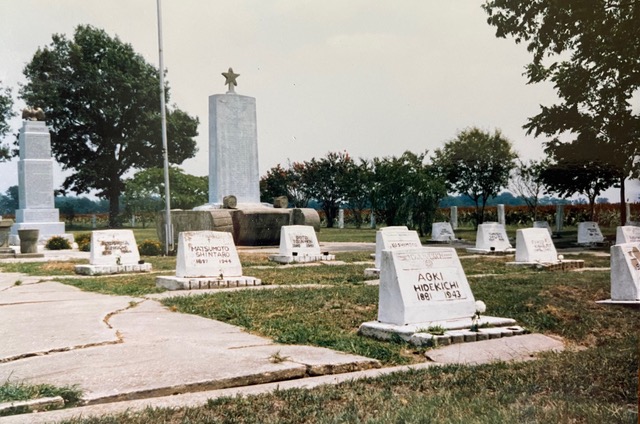
In 1983, I embarked on a pilgrimage with others to the Rohwer and Jerome Camps from Little Rock, Arkansas. During the three-hour drive through corn and soybean fields, we were told about a memorial cemetery and gravesite for babies who died at birth and some Issei Elders. I was disappointed that I hadn’t known about it earlier, as I would have brought flowers to Ohakumaide (pay respects). But, just a few minutes later, our caravan passed a man on the side of the road with a bucket of flowers. I asked the driver to pull over, ran to the man, and asked if he was selling them. He was, for $10. I gave him a twenty and asked if I could keep the bucket too, which he agreed to. Upon reaching Rohwer, I began to place the twenty-four flowers on the twenty-four headstones.
All participants in our journey joined hands, forming a large “prayer circle” dedicated to our Grandma Setsu, who died in Arkansas and never physically returned to her restaurant, family, and friends in Fresno. During my emotional speech, an elderly man, who appeared to have just come from his tractor or dusty field work, broke into our circle. After my speech, everyone dispersed, including the “elder farmer.” I felt compelled to understand why he had joined us, so I caught up to him and asked, “What group do you represent?”
He replied, “As a kid, we lived right across the street from this camp. We used to throw rocks at the trucks or anyone near the barbed wire fence out of anger and jealousy, because we didn’t have running water or electricity, an outhouse in our backyard, and food was scarce. But son, I’m an old Christian and I know God forgives. That’s why I broke into your prayer circle today.”
As a Buddhist, it was incredibly moving to consider that after all these years, this elder was seeking “redemption” and willing to join our grandmother’s prayer circle. I had always reflected on the hardships and sacrifices our families and communities endured during WWII “incarceration,” but I had never considered the suffering and immense hardships faced by families outside these camps. I call it ‘Synergy’ or ‘Synchronicity’ when the right people, places, and things align for us. I also believe we should embrace all faiths and peoples, as we are truly connected by humanity and the “Ones that went before us” (Spirits) to do good in this world.
©Kerry Yo Nakagawa, 2026.
Kerry Yo Nakagawa has also contributed a story about Mr. and Mrs Raven and their family, who cared for his paternal grandparents’ farm during WWII and continue a close intergenerational friendship. He is an author, filmmaker, and historian, and has served as president of the non-profit Nisei Baseball Research Project ( www.niseibaseball.com) for the past 30 years. He is the founding curator of the ‘Bridge Across the Pacific’ recently exhibited at the All-Star Game ‘Fanfests’ at Dodger Stadium in Los Angeles, in Seattle (Mariners), Texas (Rangers), at the Tokyo SkyTree in Japan and in Atlanta (Braves), and scheduled for Philadelphia (Phillies) in July 2026. He produced and directed the “Diamonds in the Rough’ documentary with his Godpapa Noriyuki ‘Pat’ Morita. Author of the books, ‘Through a Diamond, 100 years of Japanese American Baseball’ and ‘History of Japanese American Baseball in California,’ he also co-produced curriculums with Stanford Universities SPICE organization, produced the award winning movie, ‘American Pastime,’ and serves as an Ambassador/Consultant to the 2025-2030 exhibit at the National Baseball Hall of Fame entitled ‘Yakyu Baseball.’